
Healthy cattle don’t happen by accident. Whether you’re managing cow-calf pairs on summer pasture or backgrounding high-risk calves, performance comes down to nutrition, mineral balance, and stress management. Recent field studies show that improving your mineral program can have a measurable impact on weight gain, body condition score (BCS), sickness rates, and overall herd vitality.
Let’s break down what that means for your operation.
Cow–Calf Pairs: Supporting Growth from the Ground Up

Cow and calf pairs can fail to thrive together when body condition scores and weights don’t increase alongside natural growth and development. When cows lose condition, milk production and rebreeding success can suffer. When calves lag in weight gain, your profitability takes a hit.
In a controlled 85-day summer study involving two herds of 2-year-old cows with calves at their side:
-
One herd was fed conventional white salt with an added trace mineral pack.
-
The other herd was fed Remond 10 Fine salt with an added trace mineral pack.
-
Body weights and BCS were recorded at the beginning and end of the trial.
THE RESULTS
The group receiving the enhanced mineral program showed:
-
Improved body weights in cows
-
Improved body weights in calves
-
Stronger overall condition compared to the conventional salt group
When cows maintain better body condition, it creates a positive ripple effect — better milk production, healthier calves, and stronger breeding performance going into the next cycle.
Background Calves: Reducing Risk During Transition
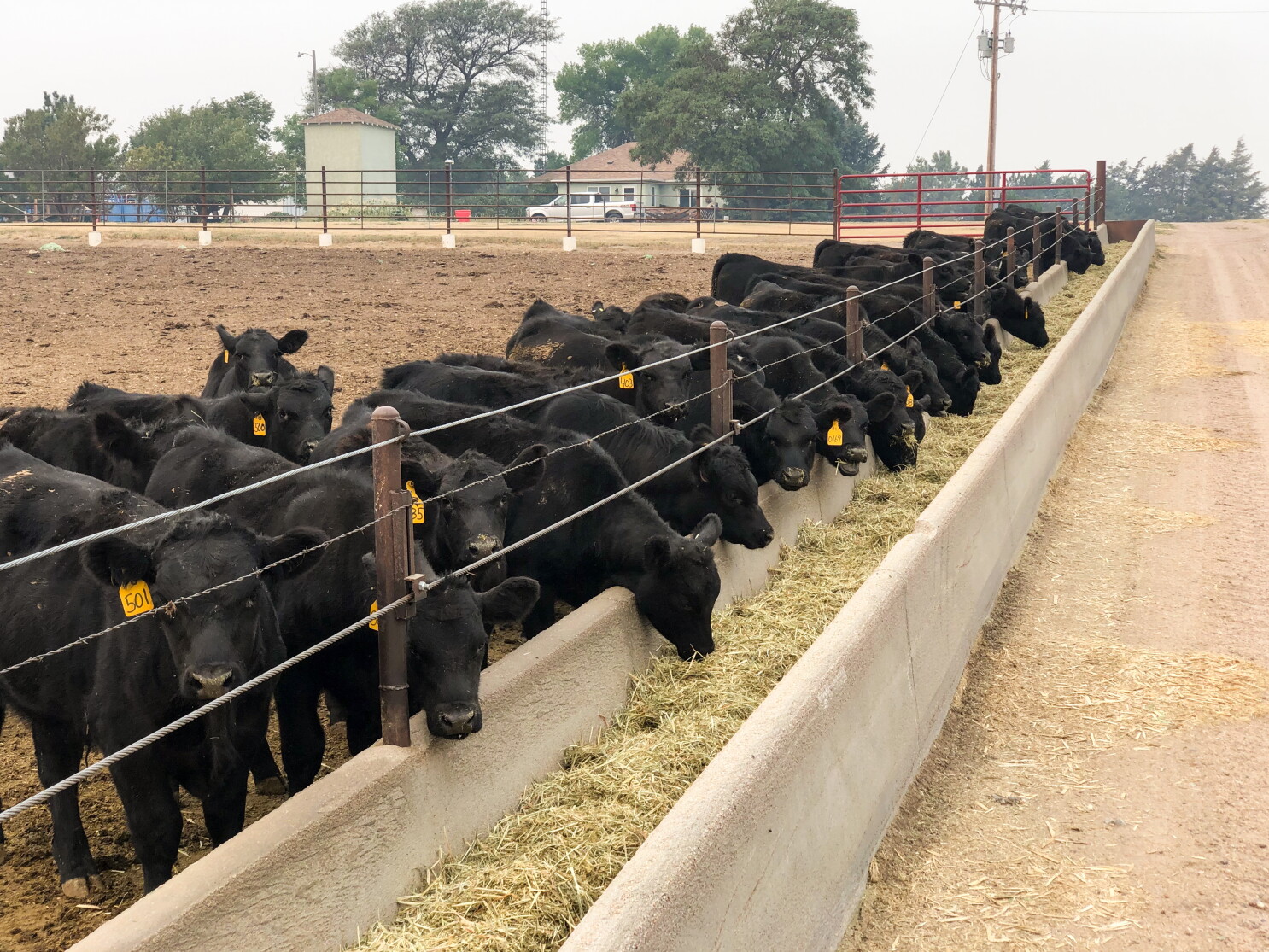
Background calves are extremely vulnerable during transport and transition. This stage is often marked by:
-
Increased sickness
-
Weight loss
-
Higher mortality rates
In a 57-day study involving 294 high-risk background calves:
-
One group received normal feed.
-
One group received normal feed plus Redmond SR 50 (a 50/50 blend of sea minerals and volcanic conditioner).
-
Mortality, sickness, and weight loss were measured throughout the study.
THE RESULTS
Calves receiving the mineral-enhanced feed experienced:
-
Lower mortality rates
-
Lower sickness rates
-
Reduced weight loss
During a period when stress and disease pressure can derail performance, a balanced mineral approach helped support resilience and growth.
The “Trickle Down” Effect of Mineral Balance
A properly balanced mineral program doesn’t just impact one metric — it influences the entire system. Operations using enhanced mineral programs have reported improvements in:
-
Weight gains
-
Body condition scores
-
Sick rates
-
Overall vitality
When minerals are balanced and bioavailable, cattle can better utilize feed, manage stress, and maintain immune function. The result? Stronger cattle and more predictable performance.
Why This Matters for Your Ranch
At Maddock Ranch Supply, we understand that every pound counts. Whether you're running cow-calf pairs or managing backgrounding calves, small nutritional improvements can translate into significant economic gains over time.
Improving mineral balance is a practical, measurable way to:
-
Increase weaning weights
-
Protect high-risk calves during transition
-
Strengthen herd health
-
Improve long-term reproductive performance
If you’re looking for ways to improve weights and herd health without overhauling your entire feeding program, upgrading your mineral strategy may be one of the most cost-effective steps you can take.
Ready to Strengthen Your Herd?
If you have questions about implementing a more effective mineral program in your operation, the team at Maddock Ranch Supply is here to help. Let’s get your herd thriving — and get you back to what you love most about raising cattle.
SOURCES: Redmond Minerals Study